Intent
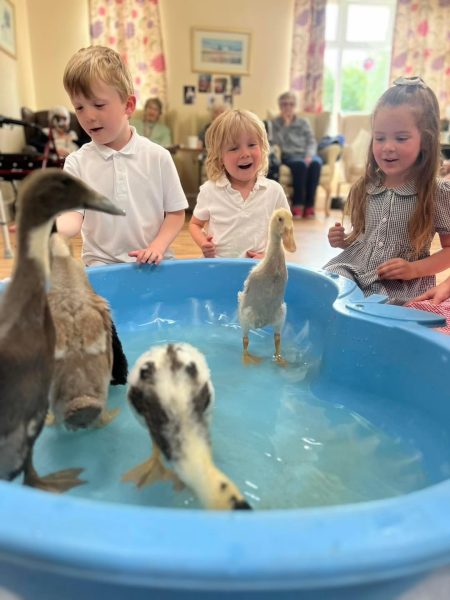 At Bowbrook Primary School, we bring science alive through experiential learning that inspires in pupils a curiosity and fascination about the universe that we hope will equip them to understand the uses and implications of science today and in the future.
The programme of study for science states: ‘A high-quality Science education provides the foundations for understanding of the world through the specific disciplines of biology, chemistry and physics.’
As our pupils progress through the year groups they will have the knowledge about the different scientific areas of chemistry, biology, and physics. In addition to, a clear understanding of the range of enquiry types which will allow them to become competent scientists in an ever-changing world.
Knowledge of chemistry, biology and physics can help children to understand the challenges of our own time with a specific focus on sustainability, equality, and empowerment. It engages pupils in questions about the universe and helps pupils to understand the world they live in, preparing them for their future as a thriving global citizen.
Our aim is to empower our children so they can aspire to become an expert in the study of science – if they choose to.
Implementation
At Bowbrook, our science curriculum builds a strong foundation of knowledge and skills through an approach that teaches both the substantive knowledge and disciplinary skills that pupils will need. Pupils are taught to approach their learning as a scientist. Both the knowledge and skills build sequentially as pupils move through the school and are expertly mapped to ensure that pupils can make links with what has already been taught.
Within the science curriculum, pupils are taught subject specific vocabulary and are able to use this expertly within their explanations, giving them the cultural capital they will need to be a responsible global citizen. The outcome will allow them to clearly articulate well-formed questions and answers in addition to evaluating information about the people and place that they study. We believe that our pupils need to have a strong base knowledge on which to build and springboard their own point of enquiry. We want our pupils to not merely be able to repeat facts or memorize knowledge but use this knowledge to ask and begin to answer their own questions.
We believe that skills and knowledge are intrinsically linked in the Science curriculum. Children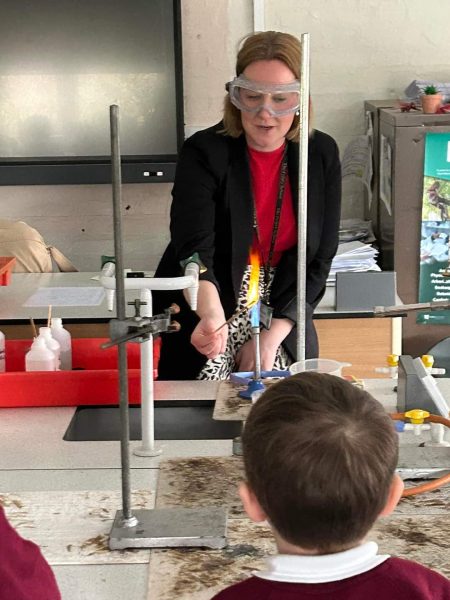 are involved in a wide range of activities that includes asking questions, discussing, predicting, and planning investigations as well as methods of recording, interpreting and evaluating findings. We aim to link lessons to real life and in so doing we are fostering social awareness, responsibility, resilience, and reflective thinking.
The curriculum is carefully sequenced to ensure that pupils build on the knowledge and skills they have been taught.
In EYFS children follow the early learning goal: Understanding the world. They learn to ‘know about similarities and differences in relation to places, objects, materials and living things. They talk about the features of their own environment and how it may differ from other environments. They make observations and explain why things occur and talk about changes.
Children are inspired through key texts and focused units of science to support the development of their understanding of the world. Through building important knowledge and enriching key vocabulary we will foster their understanding of the natural world around them. Children will explore, observe and draw pictures of animals and plants. They will know some similarities and differences between the natural world around them and contrasting environments, drawing on their experiences and what has been read in class. Understand some important processes and changes in the natural world around them, including the seasons and changing states of matter.
As the children move through the year groups we will ensure the children continue to experience and observe phenomena, looking more closely at the natural and humanly constructed world around them. They should be encouraged to be curious and ask questions about what they notice. They should be helped to understand scientific ideas and should begin to use simple scientific language to talk about what they have found. Children will be turn discrete weekly Science lessons as they move into Key Stage 1.
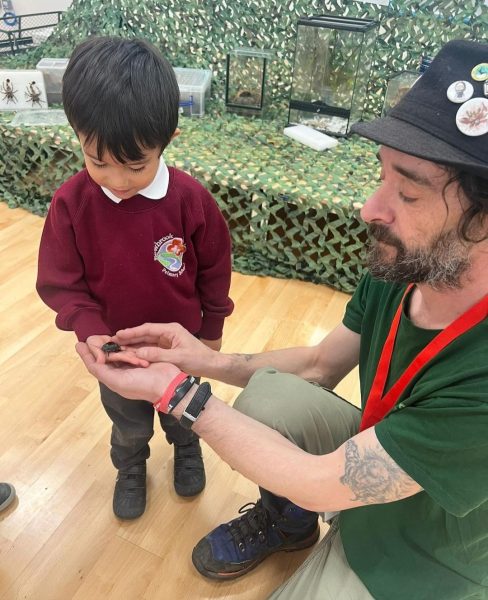 Impact
Regular observations should show that pupils are confident and able to talk knowledgeably about what they have learned in science using subject specific vocabulary. Pupil voice discussions, short quizzes and pieces of written work will show that children can recall their learning and knowledge over time, making links between units of work. Lesson observations also triangulate this.
SCIENCE Progression of skills
Science Long term plan